
Getting High
Don't Lose Your head!
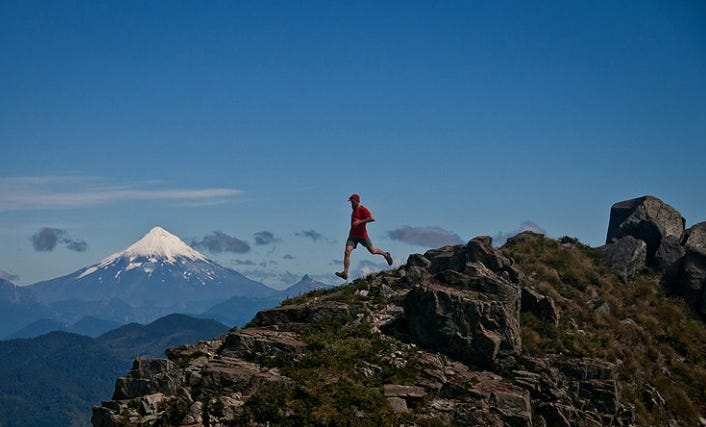
It’s the end of January, and Wyn and I are already thinking about summer. We’re desert dwellers by choice and instinct, and the winters are nice in the American Southwest, but when summer comes, we know we’re going to have to get to the high country for a reprieve from the heat.
And, from what I hear, it’s going to be a hot one this year.
At the end of the day, it doesn’t matter why you go to the high country. Once there, you’re there, so you better be prepared.
We won’t be in the desert anymore, and we want to avoid a scare like Dorothy when she found she was no longer in Kansas but had landed in Oz. Flying monkeys are freaky.
Living in higher altitudes can be tough on your body. Choosing the right foods can make a real difference in how you feel. If you wake up feeling claustrophobic, it might not be the trees that are crowding you—it might be your diet.
Choosing the right food for the high country can help with energy, digestion, and altitude/attitude adjustment.
Here are a few tips from our experiences, combined with Wyn’s Master’s in Natural Health practical guide to healthy foods to focus on when you’re heading up high.
1. Complex carbohydrates for energy
At high altitude, your body burns more calories and relies more heavily on carbohydrates. Choose complex carbs that provide steady energy:
Whole grains (oats, brown rice, quinoa). We love quinoa, which, FYI, is pronounced “keen-waa.”
Whole-grain bread or tortillas. I eat a lot of healthy burritos. You can take the desert rat out of the desert, but not the Mexican food out of his fridge.
Potatoes and sweet potatoes. Frying potatoes in an air fryer with a bit of olive oil makes better fries than most restaurants can dream of.
Foods like these help fuel muscles and reduce fatigue, especially during hiking or long days of activity.
2. Iron-rich foods to support oxygen delivery
Oxygen levels are lower at high altitude, and iron helps your body make hemoglobin, which carries oxygen in the blood. Want to avoid being lightheaded and dodge altitude sickness? Try eating some of these:
Lean meats (chicken, turkey, beef). I’m thinking burritos and tacos again, but you can make them anyway that suits your fancy. Just stay away from processed meats.
Beans and lentils. Beano does work to cut down on the songs of the magical fruit.
Spinach and other leafy greens. Summertime slushies are a hit!
Pair plant-based iron sources with vitamin C (like citrus or bell peppers) to improve absorption.
3. Hydrating fruits and vegetables
Dehydration happens faster at altitude due to dry air and increased breathing. Foods with high water content can help:
Oranges, apples, berries. Think smoothies in the morning.
Cucumbers, tomatoes, zucchini. Uh, oh. I’m having visions of tostados loaded with lean meats, green chile, tomatoes, cucumber, and…
Soups and broths are good to sip around a warm campfire at night.
These also supply important vitamins and minerals that support overall health.
4. Foods rich in potassium and magnesium
Electrolyte balance is important at altitude, especially if you’re active. These nutrients help prevent muscle cramps and fatigue:
Bananas. Think dried bananas as a trail snack for hiking.
Avocados. More Mexican food, yeah!
Nuts and seeds. Mix ‘em with the bananas for a trail mix.
They’re easy to pack and make great snacks on the go.
5. Lean protein for recovery
Protein helps maintain muscle and supports recovery, but heavy, greasy meals can be harder to digest at altitude. Opt for:
Eggs. Fry ‘em, boil ‘em, scramble ‘em, or make them anyway you see fit!
Yogurt or kefir. Add it to a smoothie.
Fish. Catch them yourself in your favorite flyfishing stream!
Tofu. Great meat substitute. Spice it up!
Smaller, balanced meals are often better tolerated than large portions.
In summary
When traveling to high altitude, focus on complex carbohydrates, iron-rich foods, hydrating fruits and vegetables, lean proteins, and electrolyte-rich snacks.
Eating well, staying hydrated, and keeping meals simple can help your body adapt more smoothly—so you can enjoy the scenery instead of battling headaches and fatigue.
Bon appétit.